Most people who join Synergize have never done outreach before, so the first month matters. It is the month where you learn the work, and where we find out whether the coaching is landing. Here is what it actually contains, roughly in order.
what happens on your first day at an outreach job?
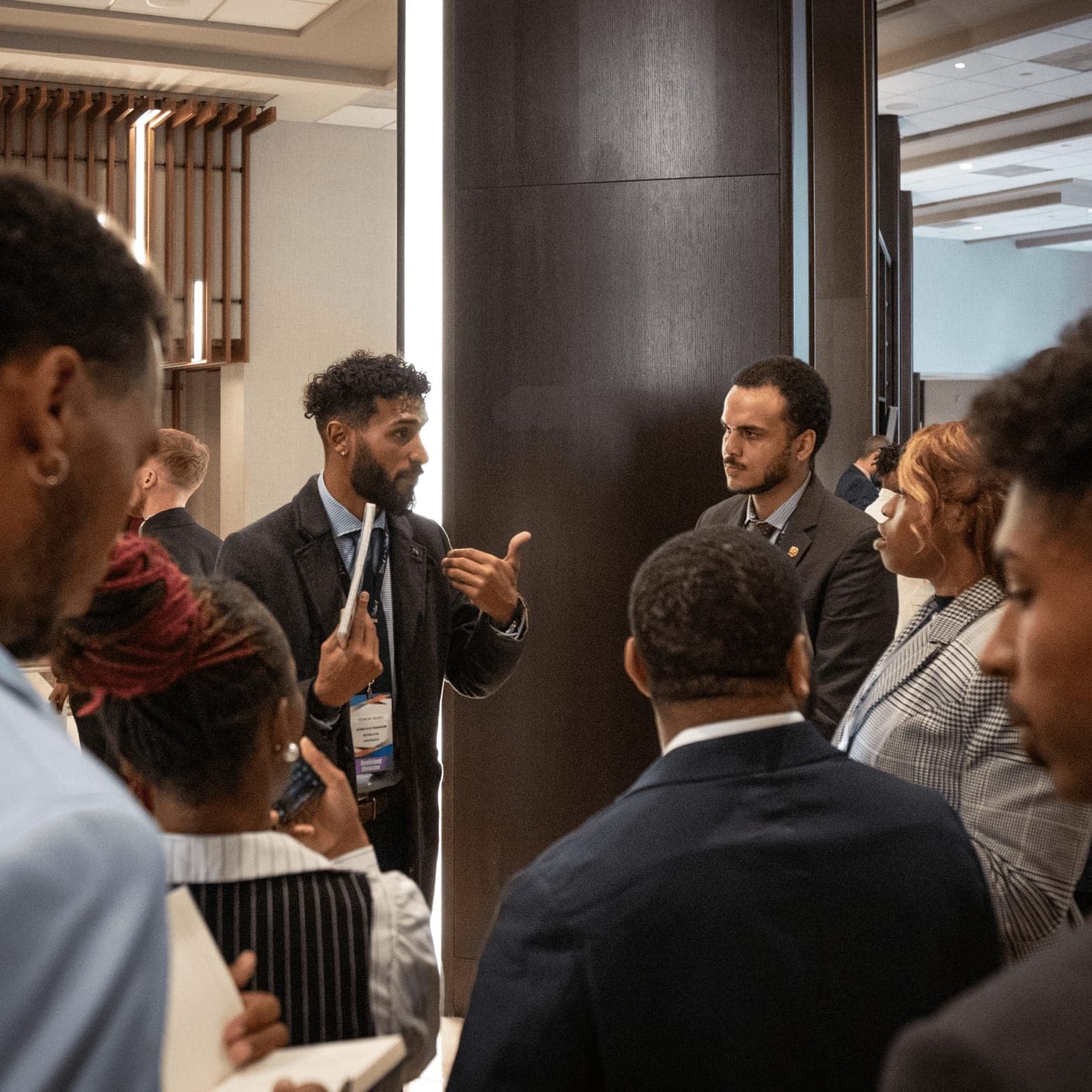
You spend it next to somebody experienced, watching them work and mostly not talking, because there is no classroom version of a conversation with a stranger and pretending otherwise would waste a week of yours. Before that comes the partner briefing: who L.E.A.D. is, who Stand For The Silent is, and what we say about each.
That briefing matters more than it sounds. You are representing organizations that are not yours, in public, to people who sometimes know more about them than you do on day one. So you learn the real facts first. L.E.A.D. works with law enforcement and educators on drug and violence prevention in schools, including the Too Good For Drugs curriculum. Stand For The Silent runs school assemblies about bullying and was started by a family who lost their son to it.
The rest of the first day is watching. You notice fairly quickly that the good conversations do not sound like a script, and the people having them are not performing. That is the thing you are actually there to learn, and it is the thing that takes the longest.
how long does training take before you work an event?
There is no separate training week here, because the training is the work itself: you shadow someone experienced, then you take part of a conversation with them standing beside you, then you take a whole one and hear afterward what to fix. The coaching does not stop when the first week ends.
There is no certificate at the end of it and no week spent in a room being lectured. What there is instead is a lot of feedback delivered in the moment, while the conversation is still fresh. A teammate at your side points out what to try next, and that is how a skill that only happens live gets built.
People come off constant shadowing at different points, and there is no fixed date on it. Everyone moves forward at their own pace, and everyone is ready before they represent a partner's name in public. That is as much for the partner's sake as for yours.
when do you get to run something yourself?
It starts sooner and smaller than most people expect: responsibility for a location, then for setup and breakdown, then for a newer teammate's first week, and only after that for coordinating a whole event or a campaign of your own. The order is deliberate and it is the same for everyone.
Leadership here is promoted from inside, and that shapes how the team works. It means the people coaching you did the same job, and it means nobody is brought in over your head to manage a team they have never worked on. It also means the next coordinator comes from the people already on the team.
What it does not mean is that time served is enough. The people who move first are the ones whose results hold steady, who others want to work a location with, and who can explain to a new teammate why something works instead of only doing it.
how do you know if you are doing well in your first month?
You will know, because the measures are simple and you see them daily: whether you showed up, whether your conversation count held across a full week rather than one good day, and whether a correction you were given on Tuesday is visible in how you work on Wednesday.
Nobody is judged on a single day. Outreach has too much variance in it for that, because a location can be busy on Saturday and quiet on Tuesday for reasons that have nothing to do with the person at the table. What gets looked at is the line across a week or two, which is why the end of day record matters.
There is a second measure that is harder to write down and everyone knows anyway. Do people want to work a location with you. Teams here are small enough that this is obvious inside a month, and it turns out to predict a lot of what happens afterward.
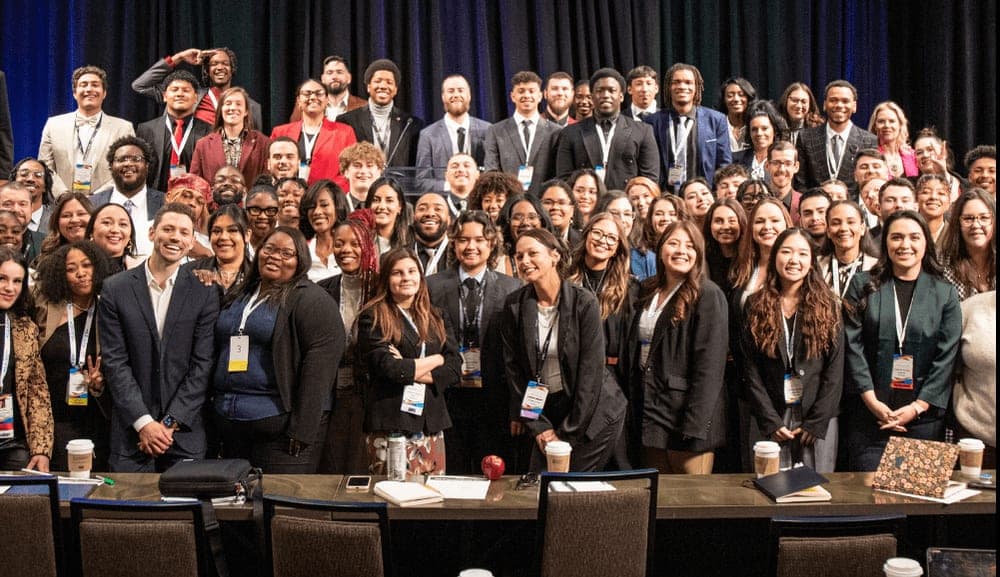
Recognition happens weekly rather than being saved up for an awards night, which is a change the team made after a leadership conference in Dallas this summer. It is a small thing with a real effect. You find out you did something well close enough to the moment that you can repeat it.
who does well in the first month?
This work is public, physical, and repetitive, and the first month is where you get to know it from the inside, by standing at a table and doing it.
The work suits a particular kind of person: someone who likes being around people, who is comfortable without a script, and who can take a correction and keep going.
If that sounds like you, you will feel it somewhere in the first couple of weeks, usually the moment a conversation goes well and you realize you did that on purpose rather than by luck.
Current openings are on the careers page and the application takes about two minutes. If you would rather ask questions before applying, call the office at (916) 530-2411 and ask whatever you actually want to know. We are at 2880 Sunrise Blvd, Suite 200 in Rancho Cordova, Monday to Friday.
Still have questions about Synergize Inc.? What we do, the partners we represent, and what the work involves are all on our questions page.
Ready to apply? See our current community outreach and fundraising jobs in Sacramento and apply in about two minutes. Entry level, no experience needed, we train.